
Light, Material and Color Balance in Interior Design
How light, material selection and color palettes shape atmosphere, function and user experience in interior design.
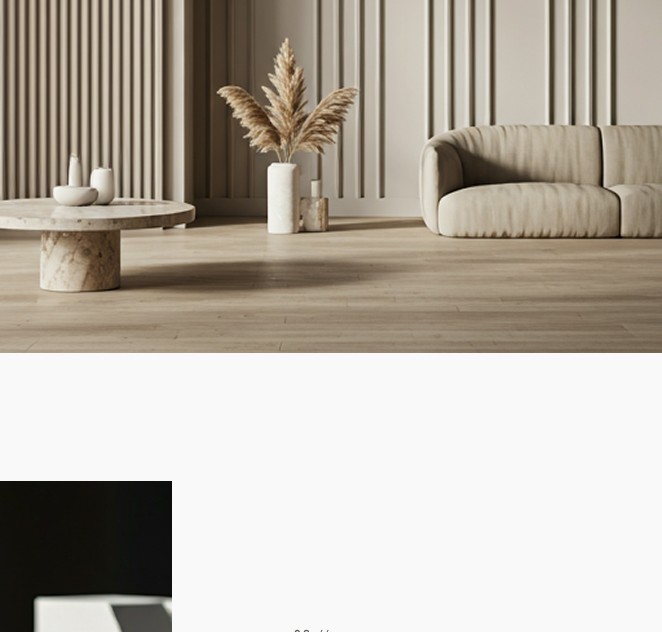
Interior design is shaped by the relationship between light, material and color. These decisions affect not only how a space looks, but how it feels and functions during daily use.
Light defines atmosphere
Natural and artificial light reveal surfaces, textures and proportions. A calm room needs a different lighting strategy than a restaurant, showroom or workspace.
Materials carry character
Wood, stone, metal, fabric and painted surfaces each create a different sense of warmth, weight and refinement. The best material palettes feel coherent rather than crowded.
Color should support use
Color can make a space feel larger, calmer, warmer or more focused. It should be chosen with daylight, material texture and user habits in mind.
Interior design decision checklist
Daylight direction, artificial lighting scenes, circulation, storage, material durability and color perception at different hours should be reviewed together. This helps filter out attractive ideas that may become difficult to use.