
Why Proportion, Shadow and Material Matter in Facade Design
A guide to facade design decisions including massing, rhythm, shadow, material selection and architectural visualization.
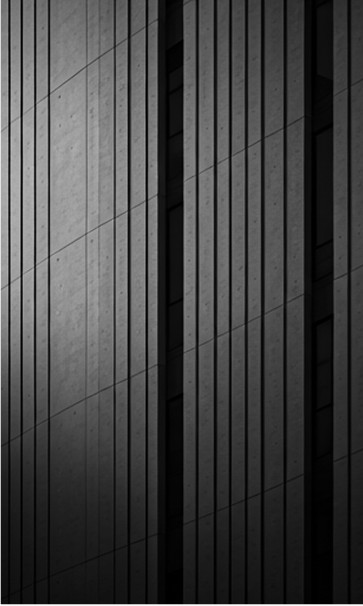
Facade design gives a building its public character. Proportion, shadow, material and detail all work together to create a clear architectural identity.
Proportion creates order
Window rhythm, solid-void balance, floor lines and vertical elements determine whether a facade feels calm, heavy, dynamic or fragmented.
Shadow gives depth
A flat surface can feel weak without depth. Recesses, frames, balconies and shading elements create shadow and make the facade more legible through the day.
Material must fit context
Material decisions should respond to climate, maintenance, construction logic and the surrounding environment, not only visual preference.
How to test facade decisions
Study daylight hours, shadow depth, material junctions, maintenance needs and neighboring buildings together. 3D models and facade renders make proportion issues and material conflicts easier to see before construction.